
The Emmy Noether Group ‘Kgalagadi Human Origins’ started in June 2021. The six-year project is researching the impact of the extreme climate changes in the Mid- and late Pleistocene on human evolution in the southern Kalahari basin.
Project summary
The evolution of our human species in Africa has been intimately tied to climate dynamics and landscape change. The time period between c. 800 000 and 400 000 years before present is of critical importance as the period leading up to the emergence of modern humans. It includes in part a period of extreme changes in climate history known as the Mid-Pleistocene Transition (MPT) when the frequency and severity of glacial-interglacial cycles increased dramatically.
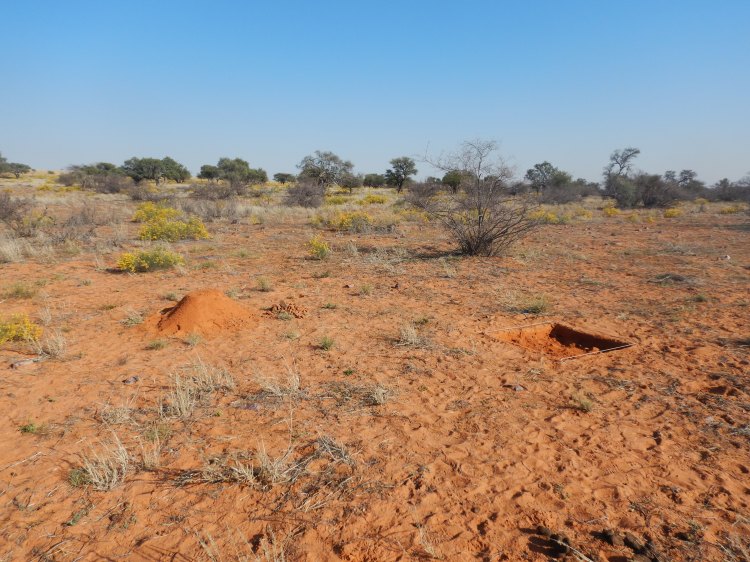
However, there is a lack of terrestrial environmental data from interior southern Africa to assess the impact following these global climate changes on sub-tropical habitats and in shaping the evolution of Homo sapiens and other Mid-Pleistocene hominin species. The goal of the Kgalagadi Human Origins project is to determine the impact of the MPT on Mid-Pleistocene human evolution in the southern Kalahari basin. To reach this goal, a program of state-of-the-art predictive modelling is informing extensive archaeological fieldwork in two distinct regions of the southern Kgalagadi district in Botswana and neighbouring South Africa.
This interdisciplinary approach is combining novel dating methods and multiple independent paleoenvironmental proxies from the fieldwork sites to assess changes in the vegetation and seasonal rainfall systems which led to the modern, arid environment that is a marginal habitat for humans today. The outcome of this project is advancing our knowledge about human-environment adaptations in times of severe and rapid climate change and determines its role for the emergence of Homo sapiens as survivor between many hominin species.
Confer also: German Research Foundation (DFG) – Database (GEPRIS).
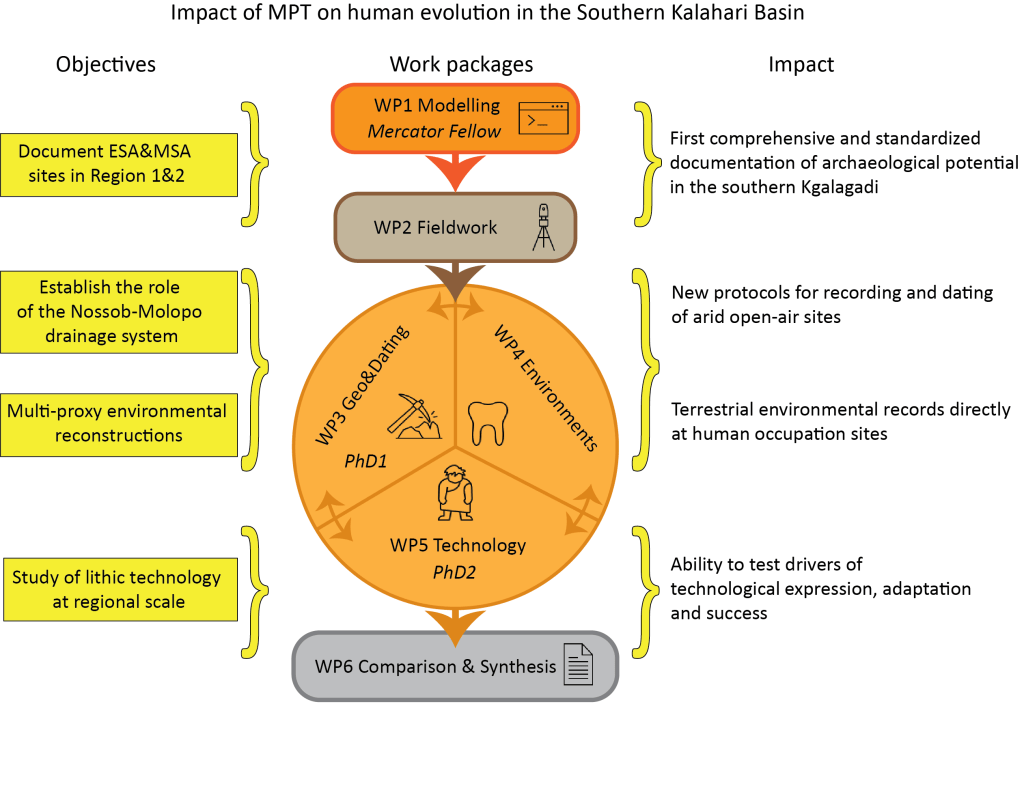
Project flowchart showing the six work packages

Workshop Kiel 2025
From July 1st to 4th, 2025, 13 members and cooperation partners of the KHO Project from three continents and five countries came together in Kiel and online. The workshop featured presentations by participants on their current research and project progress, accompanied by lively discussions within the group. New perspectives and aspects for the project were explored, and upcoming publications were initiated.
A key component of the workshop was the planning of public outreach activities: Together, the group explored opportunities to raise awareness of the project—both locally in Botswana and through social media and initiatives in Kiel. A central decision was to involve the local communities at the excavation sites in Botswana even more closely in the future.
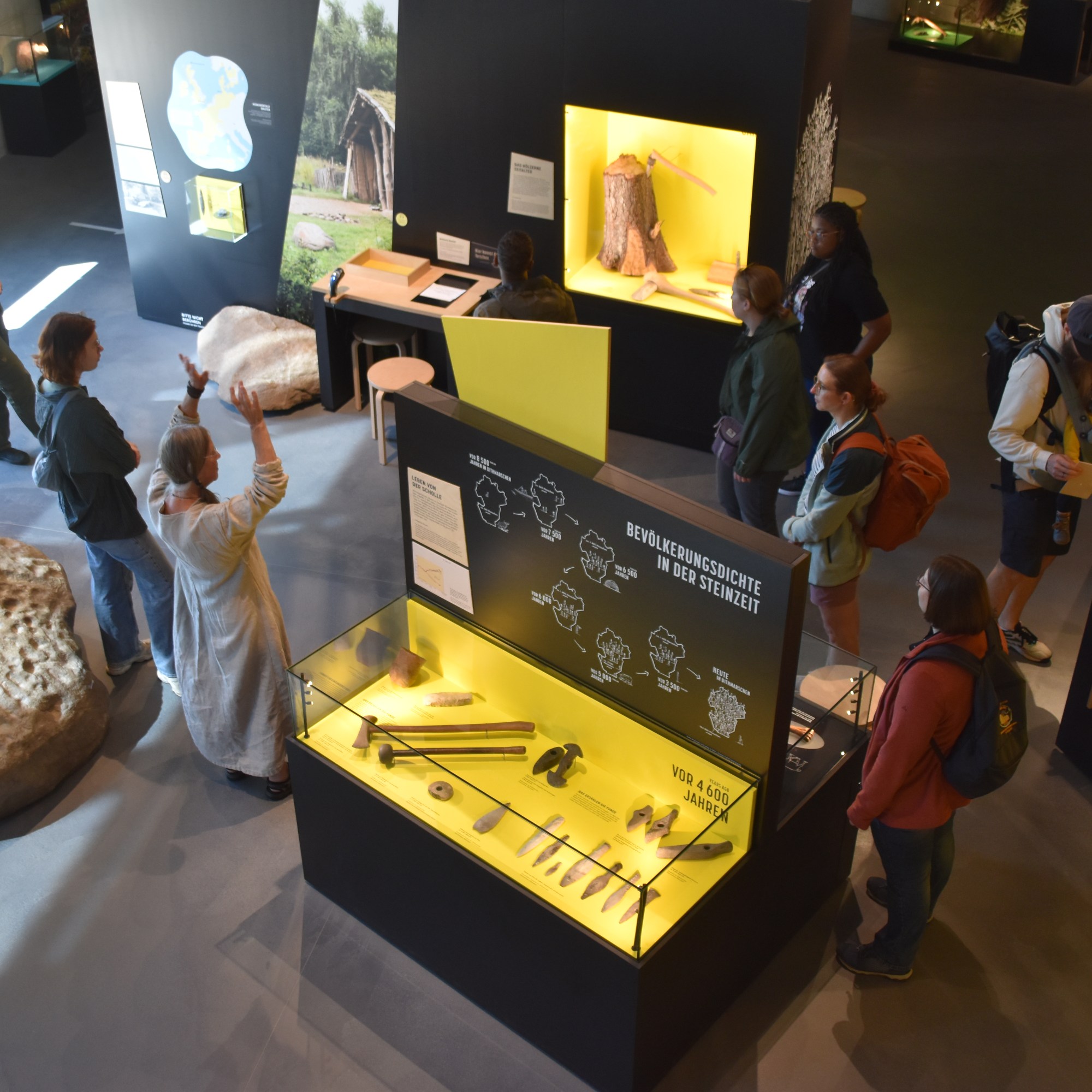
The workshop concluded with an excursion to the Stone Age Park Dithmarschen, where participants gained insights into the region’s prehistoric past. This was followed by a visit to the Wadden Sea National Park, where the group experienced the remarkable biodiversity of this extreme ecosystem—the North Sea offering a striking contrast to the Kalahari Desert.
During the workshop, we warmly welcomed new project partners and deepened existing collaborations through intensive exchange. The workshop served as an open space for dialogue and innovation. We would like to thank all participants for their contributions, commitment, and interest!



 Kgalagadi Human Origins